
The Allure of Casinos: Understanding Attraction
Casinos have a unique ability to captivate players, drawing them in with vibrant lights, engaging sounds, and an atmosphere charged with excitement. This attraction is not merely coincidental; it is carefully designed to stimulate the senses and evoke emotional responses. The psychological architecture of casinos encourages players to feel that they are in a realm of limitless possibilities where every spin of the wheel or flip of a card could lead to life-changing wins. Many players seek out the best online sportsbook when they want to enhance their gaming experience beyond the physical casino walls.
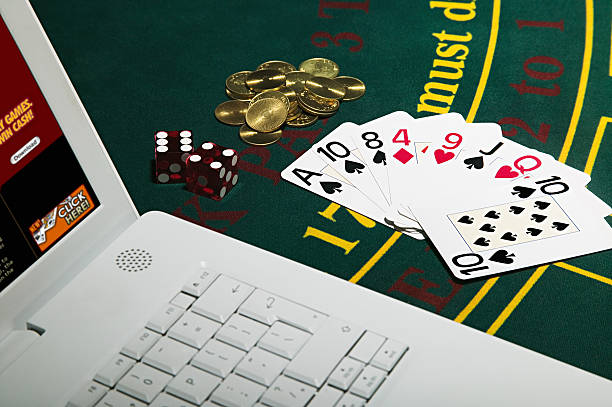
This allure is further intensified by the social components of gambling. For many, casinos serve as social hubs where people gather to enjoy entertainment and camaraderie. The shared experiences among players and the thrill of competition can create a sense of belonging and communal excitement that is hard to resist. Understanding these psychological triggers can help players navigate their own motivations and experiences in a casino setting.
The Role of Risk and Reward in Decision Making
One of the core psychological elements at play in casinos is the balance between risk and reward. Players are inherently drawn to the thrill of taking risks, and casinos cleverly exploit this tendency through game mechanics that offer potential high rewards for relatively small bets. This interplay can lead to a phenomenon known as “loss chasing,” where players double down on their bets after a loss in hopes of recouping their money, often leading to greater losses.
Moreover, the psychology of intermittent reinforcement plays a significant role in gambling behavior. Just like in other forms of reward systems, players receive sporadic wins that keep them engaged and motivated. This unpredictability can lead to addictive behaviors as players chase the next high, believing that they are close to a big win. Understanding this psychological dynamic can empower players to make more informed decisions while gambling.
Memory Bias and the Illusion of Control
Players often experience a cognitive bias known as the “hot streak” phenomenon, where they remember their wins more vividly than their losses. This memory bias can create an illusion of control, leading individuals to believe that they have a greater influence over the outcome than they actually do. For example, players may feel that their strategy or intuition is responsible for their success, even if the games are purely chance-based.
This illusion can have significant consequences, as it may contribute to overconfidence in betting decisions. Players might continue gambling under the belief that they can predict outcomes or replicate winning strategies. Recognizing the inherent randomness of casino games is crucial for players to maintain a healthy perspective on their chances of winning.
Emotional Regulation and Gambling Behavior
Emotional states significantly influence a player’s approach to gambling. Many individuals turn to casinos as a form of escapism from stress or personal issues, using gambling as a coping mechanism. While this can provide temporary relief, it often leads to poor decision-making and increased losses. Understanding the emotional factors at play can help players be more mindful of their motivations and behaviors when engaging with casino games.
Developing emotional regulation skills is essential for anyone looking to gamble responsibly. Players should be aware of their emotional triggers and recognize when they are playing to escape rather than for enjoyment. By maintaining self-awareness and setting defined limits, players can enjoy the thrills of gambling while mitigating the risk of developing harmful habits.

Empowering Players Through Knowledge
Education is a powerful tool for players at casinos. Understanding the psychological aspects of gambling can lead to smarter strategies and more enjoyable experiences. The more players know about the games they engage in, the better equipped they will be to make informed decisions. Knowledge can also foster a sense of empowerment, allowing players to take control of their gambling habits and avoid falling into common psychological traps.
Furthermore, resources on responsible gambling can provide guidance on setting limits and recognizing the signs of problematic behavior. By promoting awareness and offering support, casinos can create a safer, more enjoyable environment for all players. Engaging with these resources can ensure that the fun of gaming does not overshadow the importance of responsible play.