
The Allure of Casino Games
Casino games have long captivated players with their vibrant atmospheres, the thrill of chance, and the promise of reward. This attraction is not purely about winning money; it taps into deeper psychological needs such as excitement, social interaction, and escapism. The bright lights, sounds of coins clinking, and immersive environments create a sensory experience that stimulates the brain’s reward system, enticing players to engage in these activities repeatedly. For those looking for alternatives, the appeal of non gamstop casinos uk can also add excitement to the gambling experience.
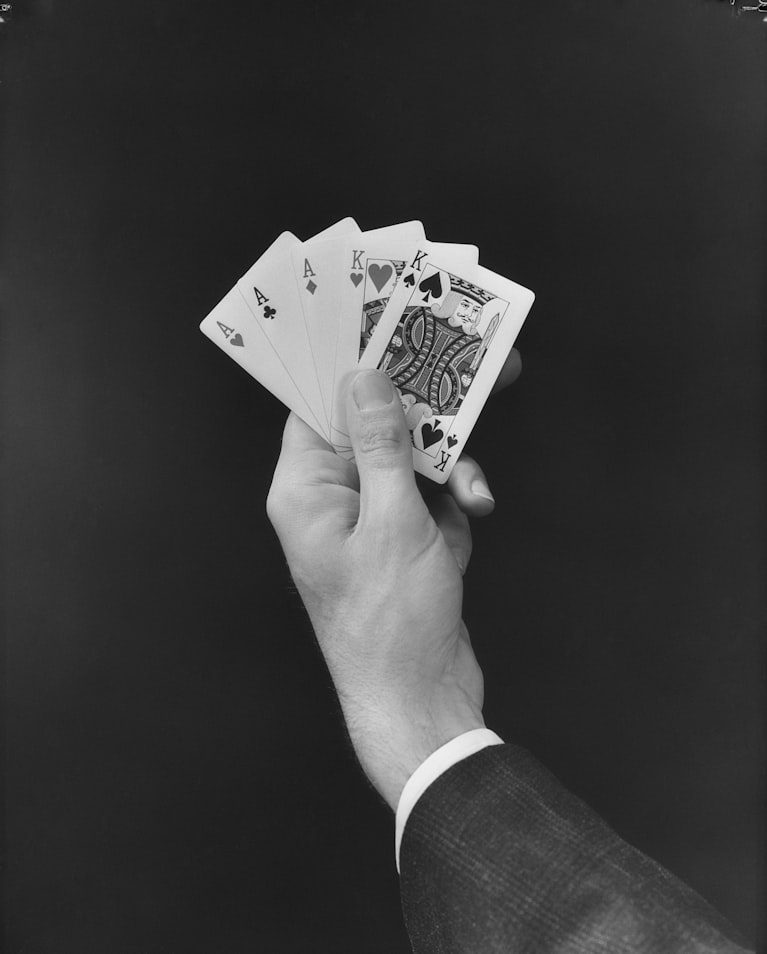
Additionally, the adrenaline rush associated with gambling can lead to a psychological state known as “the zone,” where players feel euphoric and detached from their surroundings. This heightened state of arousal can make it difficult to recognize the risks involved, reinforcing the allure of continuing to play despite potential losses. Understanding these factors is crucial for both players and operators in managing responsible gambling practices.
The Role of Cognitive Biases
Cognitive biases play a significant role in how players perceive outcomes in casino games. The illusion of control, for instance, leads players to believe they can influence the outcomes of random events, such as rolling dice or spinning a roulette wheel. This misconception encourages continued engagement, as players often feel empowered by their perceived ability to affect the outcome.
Another common bias is the gambler’s fallacy, where individuals mistakenly believe that past events can influence future results. For example, if a slot machine has not paid out for a while, a player may think it is “due” for a win. These biases skew perception and decision-making, resulting in behaviors that may not align with statistical reality, further enriching the psychological complexity behind casino gaming.
Social Dynamics in Gambling
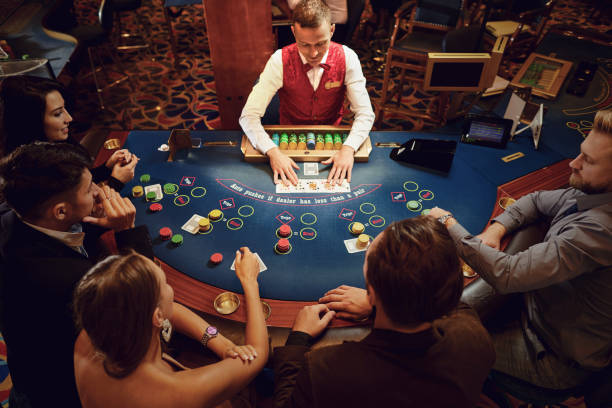
The social dynamics present in casinos also significantly influence player behavior. Many individuals are drawn to the communal aspect of gambling, where shared experiences can enhance enjoyment. Group settings in poker rooms or at blackjack tables foster a sense of belonging, camaraderie, and competition, which can be appealing to many players.
Furthermore, social interactions can also lead to positive reinforcement, where players celebrate wins together or commiserate over losses, reinforcing their bond and commitment to the game. Such relationships can create a support system that encourages continued play, underscoring the importance of social factors in the psychology of gambling.
Addictive Behaviors and Gambling
The potential for developing addictive behaviors is a critical concern in the realm of casino games. The psychological mechanisms that contribute to addiction are complex and multifaceted. Players may find themselves caught in a cycle of chasing losses, where the desire to recover lost money leads to increased gambling and risk-taking behaviors.
Moreover, the neurological responses triggered by gambling can mirror those seen in substance abuse. The rush of winning stimulates the release of dopamine, reinforcing the desire to seek out further play. Recognizing these patterns is essential for gamblers and their loved ones to implement strategies for responsible gaming and to seek help when necessary.
Navigating Casino Resources and Support
For individuals seeking information on responsible gambling practices, resources are readily available. Understanding the psychology behind casino games can empower players to make informed decisions about their gaming habits. Educational platforms often provide crucial insights into recognizing signs of problem gambling and finding support systems.
Websites dedicated to gambling awareness offer tools and resources to help players assess their behaviors and seek assistance. Engaging with these resources can significantly enhance a player’s ability to enjoy casino games responsibly, ensuring that the thrill of the game remains a positive experience without overshadowing personal well-being.